Ironwood Kitchen Review: Cast-Iron and Carbon-Steel Cookware Tested
We seared, roasted and scrubbed our way through four months with Ironwood Kitchen's pre-seasoned pans to see whether they beat the cookware you already own.
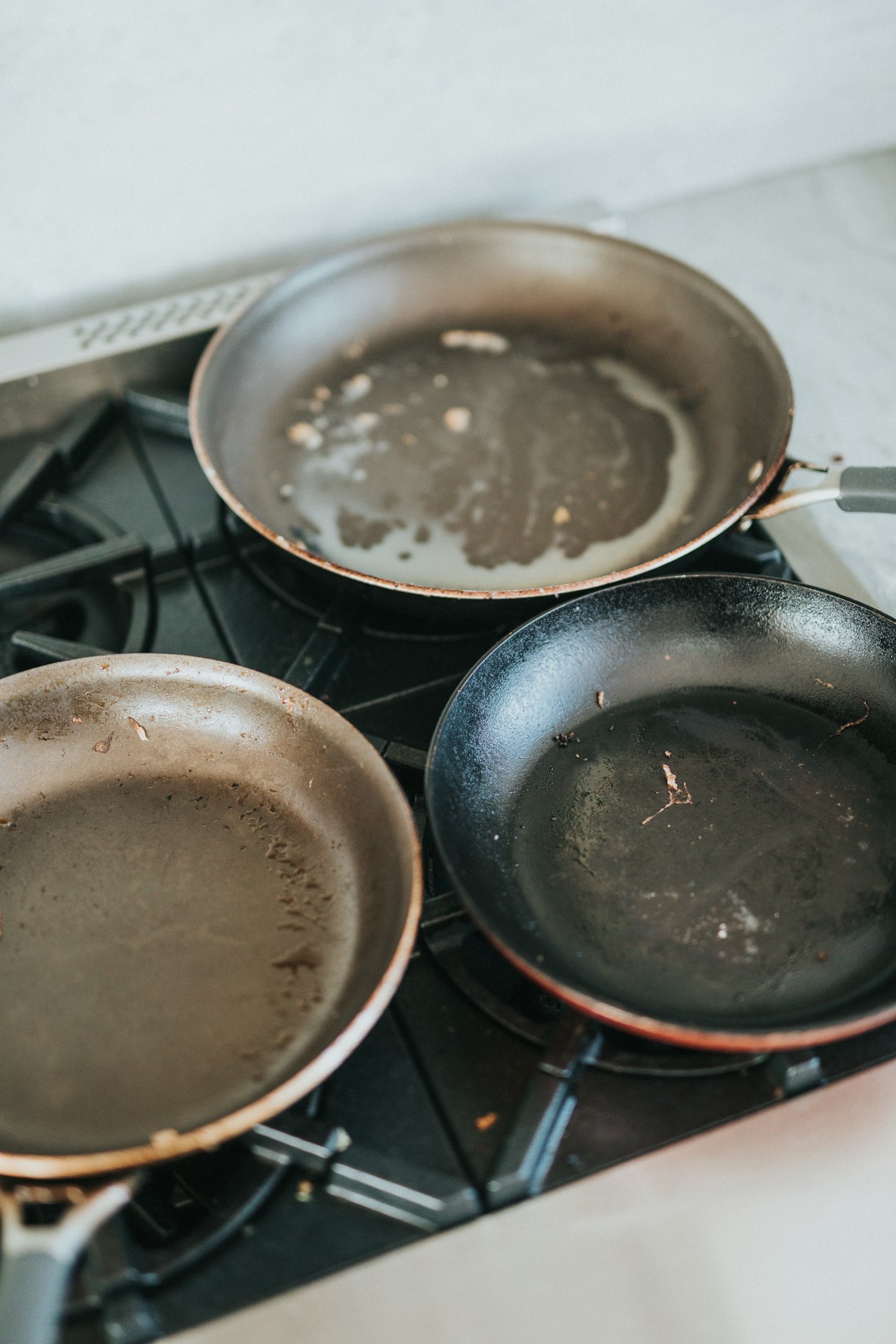
Cast iron has a strange status in kitchens: adored by cooks who own it, feared by everyone else. It promises to last a lifetime, sear better than anything else and gain character with age. It also rusts if you look at it wrong, weighs as much as a small dog and comes with a body of folklore about seasoning that can put off anyone.
Ironwood Kitchen sells a small range of cast-iron and carbon-steel pans and says its pre-seasoned, smooth-milled surfaces make life easier for beginners. Over four months I cooked with three of them almost daily, and I tested the store as hard as the pans.
What Ironwood sells#
The lineup is short: a 26 cm cast-iron Skillet ($54), a 30 cm Carbon-Steel Pan ($68), a shallow Griddle ($59), a 24 cm Frying Pan ($39) and an enamelled Dutch Oven at 5.5 litres ($149). There are also wooden and silicone handle covers, a chainmail scrubber and a seasoning oil.
Product pages list weight, cooking surface diameter, oven-safe temperature and the type of seasoning used, which is a flaxseed oil baked on in the factory. That kind of specificity beats the "pre-seasoned for convenience" wording found on most cookware pages.
How we tested#
I bought the Skillet, Carbon-Steel Pan and Dutch Oven. For four months, they handled everything from morning eggs to searing steaks and baking cornbread. I also:
Checked the surface for smoothness and sticking with a fried egg test at day one, week four and week sixteen.
Measured heat response with an infrared thermometer, timing how long each pan took to reach 200°C on a gas hob.
Deliberately mistreated one skillet with a soak, then followed the store's restoration guide.
Tested support and used the returns process for a damaged item.
Performance#
The carbon-steel pan was the surprise. At 1.9 kg, it weighs half as much as the cast-iron skillet (3.7 kg) but heats faster and responds quickly when you change the flame. After two weeks it had developed a dark, glossy patina, and eggs slid out with barely any oil. It is my favourite of the three.
The cast-iron skillet is a classic. Its milled surface is smoother than most cast iron, so seasoning builds evenly and food releases well. It sears superbly, holds heat when you add cold ingredients and goes from hob to oven without complaint. The first egg test stuck slightly; by week four, it was slick.
The handles and the dutch oven#
Cast iron handles conduct heat, and Ironwood's are no exception. I burned my hand once in the first week. The silicone handle covers ($12) are essential, and the store should bundle them with the pans rather than sell them separately.
The enamelled dutch oven arrived with a small chip on the rim. It was replaced without argument, but at $149 it does nothing that a bare cast-iron pot at half the price does not. For most cooks, we would skip it.
Care advice that treats you like an adult#
The store's care guide is a highlight. It busts the biggest myths: soap will not ruin a seasoned pan, a little rust is easily fixed and you do not have to season after every use. My abused skillet, left to soak overnight, developed orange spots. Following the guide (scrub, dry, thin coat of oil, bake for an hour), it was back in service the same afternoon.
Shipping, service and returns#
Pans arrived within four days in sturdy cardboard with paper padding, though the dutch oven's box had clearly been dropped. Weight means shipping costs $12 on orders under $100.
Support was competent but slow: two emails took 30 and 48 hours to answer. The return policy is generous, giving 100 days on unused items and a full refund minus the return label. The damaged dutch oven replacement arrived within a week.
Price and value#
At $54 to $68, the skillet and carbon-steel pan are fairly priced and will last decades. Some brand-name equivalents cost twice as much for a similar product. The dutch oven is overpriced, and the $39 frying pan is unremarkable.
Who should buy, and who should skip#
Buy from Ironwood Kitchen if you want a couple of pans that get better with age and value clear care information.
Skip it if you dislike heavy pans, cook mostly on glass-top induction hobs that scratch easily (check the pan's base first) or want non-stick convenience.
The verdict#
Ironwood Kitchen earns 4.0 out of 5. The carbon-steel pan and cast-iron skillet are excellent, the care advice is honest and returns are generous. Hot handles, a chipped dutch oven and slow support keep it from a higher score.
Disclosure: we bought all cookware ourselves. Some links on this site are affiliate links. See our review policy.
Keep reading
You might also like

Greenroots Garden Supply Review: Raised Beds, Tools and Seeds Put to the Test
We built two raised beds, planted three trays of seed and worked a season with Greenroots tools to see whether this garden store earns a place in your shed.

Sunaofe Review: Ergonomic Office Chairs, Discounts and What to Check
Sunaofe sells ergonomic office chairs and accessories direct to customers, with big headline discounts and a 5-year warranty. We checked what it promises, where its own pages disagree, and what the current codes are.

Desktronic Review: Are the Height-Adjustable Desks Worth Buying?
Desktronic sells electric height-adjustable desks in three lines. We compared its own specs with independent listings and customer feedback to see where it looks strong and what we could not confirm.