Mala & Moon Review: Are Handmade Mala Beads Worth the Price?
We bought three 108-bead malas from Mala & Moon and used them for two months, checking stringing, stone authenticity, weight and what the store really promises.
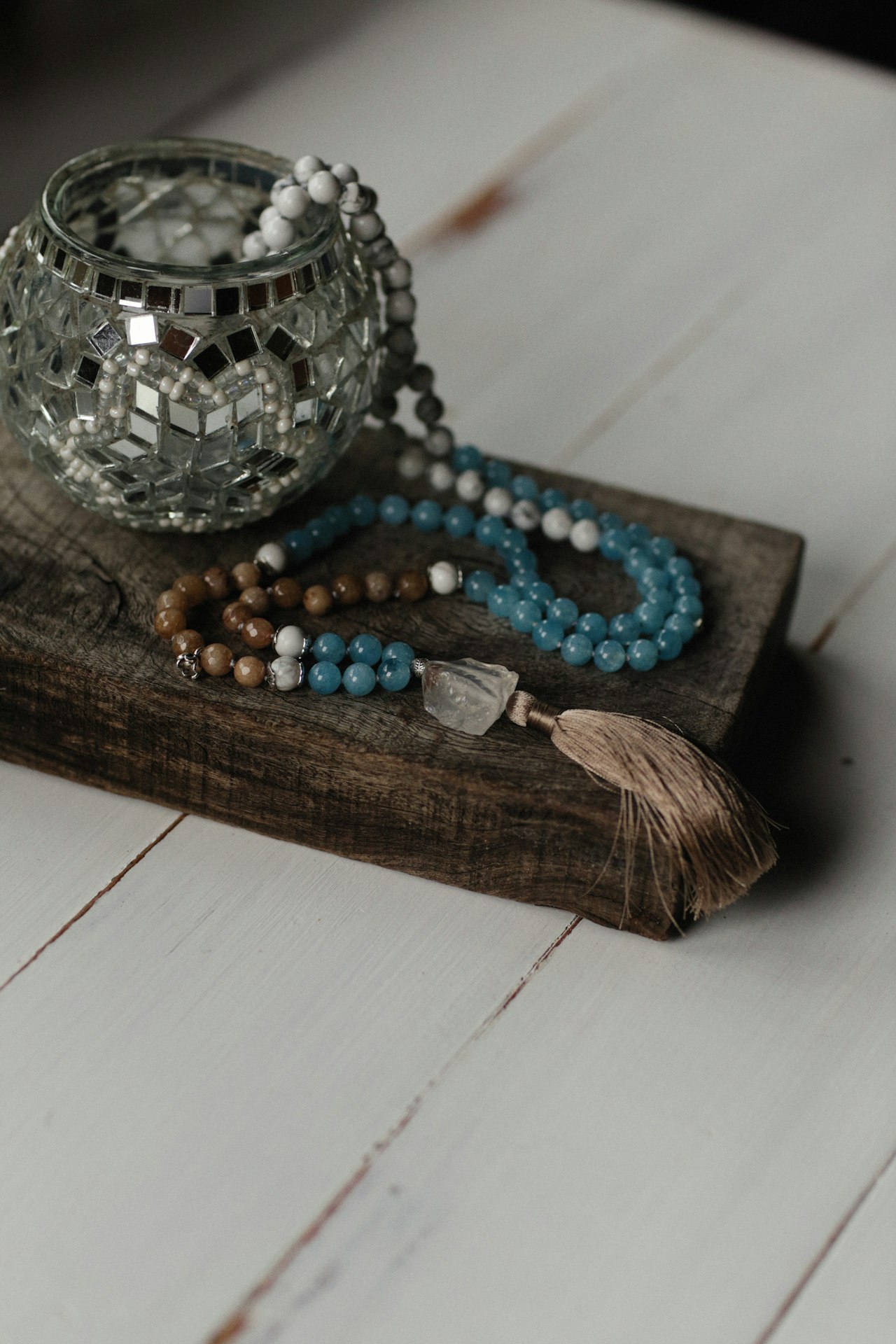
A mala is a string of 108 beads, traditionally used to count breaths or mantras during meditation. The point is not the jewellery. The point is the gentle, repetitive motion of a thumb moving from one bead to the next, which gives a wandering mind something simple to hold on to.
That simplicity makes malas an odd product to review, because a good one and a bad one look similar in a photograph. A poorly strung mala snaps in the first week. A badly drilled bead catches on your skin. And a stone described as "genuine lapis" may be dyed howlite. So we bought three malas from Mala & Moon, a small online store with a strong following, and looked at them closely.
What Mala & Moon sells#
The store makes and sells malas, wrist malas, guru beads, tassels and a few storage pouches. Beads range from sandalwood and rosewood to amazonite, moonstone, black onyx and carnelian. The three we tested were:
A rosewood and amazonite mala with a cream tassel ($68)
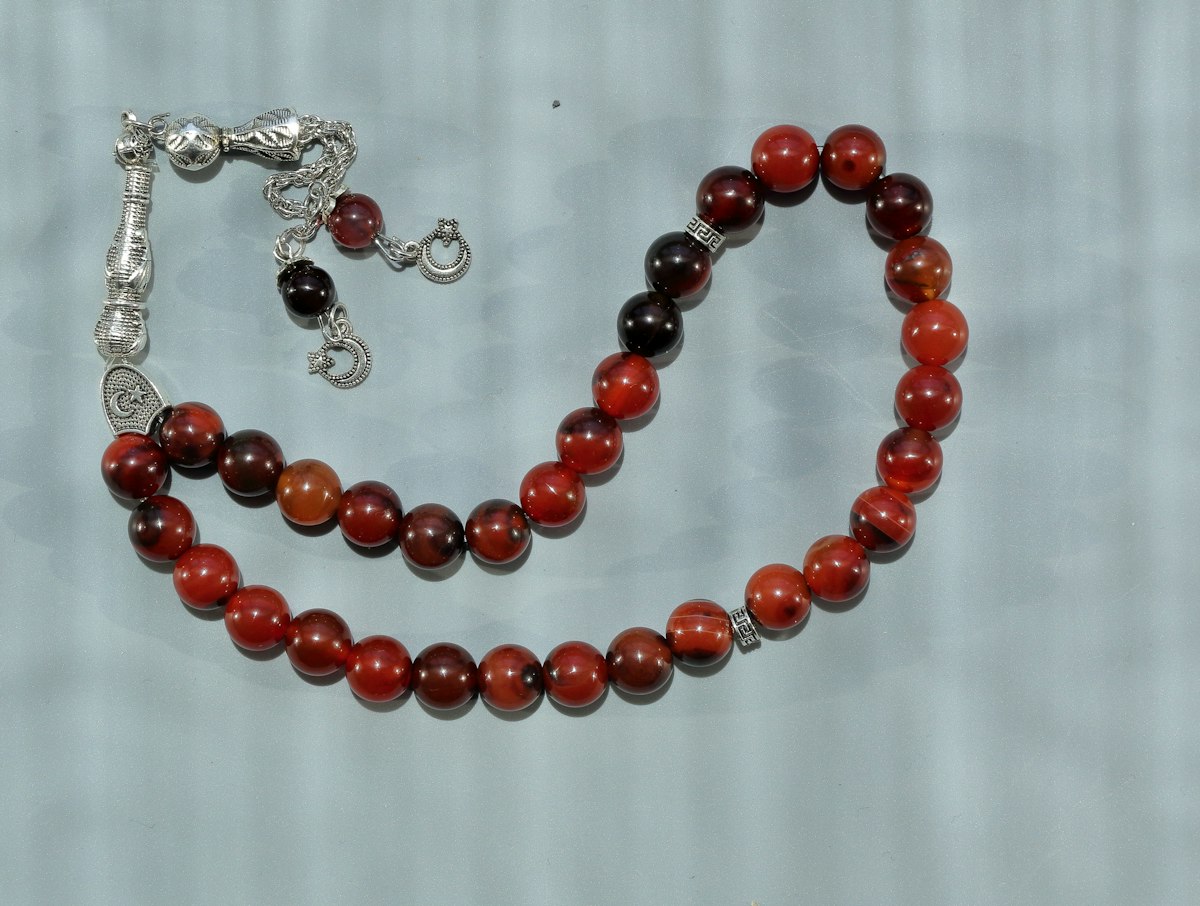
A carnelian mala with a silver clasp ($92)
A sandalwood wrist mala with 27 beads ($38)
Every product page lists stone type, bead size, country of origin, weight and the length of the string. That level of detail is exactly what you want to see before spending money on beads.
How we tested#
Over two months I used each mala at least four times a week, for breath counting and mantra. I also:
Inspected the stringing by gently pulling the knots and checking bead holes under a magnifier.
Tested the stones for basic authenticity with a cold-touch check and a hardness comparison (a rough guide, not a lab test).
Weighed each piece and compared it with the store's stated weight.
Tested support and returns, including a request to personalise a mala.
Build quality is the strong point#
The knotting is excellent. Each bead is separated by a small knot in a thick silk-blend cord, which means that if one bead ever breaks, the rest stay where they are. On all three pieces, holes were clean and smooth, with no chipping at the edges, and the guru bead was securely fastened to the tassel.
The weights were within one or two grams of the listed figures, and the carnelian felt genuinely cold to the touch and heavier than glass beads of the same size. The store's honesty about natural variation is also refreshing: the page for the amazonite mala says outright that colour will vary "from teal to pale sea green" and that every mala will differ.
The wellness language needs restraint#
Here we have reservations. Several product pages describe stones as if they do things. Amazonite "calms an overactive nervous system", carnelian "boosts confidence and vitality" and moonstone "balances feminine energy". None of this is supported by evidence, and it sits oddly beside the store's otherwise careful descriptions.
We would like to see this framed as tradition or personal meaning rather than fact. If it matters to your practice, fine. If not, ignore it: the beads work as a focus tool whatever their symbolism.
Comfort and everyday use#
At 42 g, the rosewood-and-amazonite mala is comfortable to hold, and the wrist mala sits neatly beneath a watch. The tassels are soft and hold their shape. Heavier stones such as onyx can pull uncomfortably if worn around the neck for hours, so we would use the necklace lengths for practice rather than as all-day jewellery.
Shipping, service and returns#
Orders were dispatched within two business days and arrived in five, in a small cotton pouch inside recycled packaging. I asked about the amazonite's origin before buying; the reply came from a real person within a few hours and named a specific supplier region.
Returns are accepted within 30 days for unworn pieces, with the customer paying return shipping unless the item is faulty. Personalised items, such as engraved tags, cannot be returned. That is standard, but it should appear higher on the page.
Price and value#
At $68 for the amazonite and $92 for the carnelian, both are fairly priced for hand-knotted stone malas. Comparable pieces from craft markets cost $50 to $80 and rarely provide this much detail. The $185 rosewood-and-quartz mala is another matter: it is beautiful, but the extra cost buys mostly aesthetics.
Who should buy, and who should skip#
Buy from Mala & Moon if you want a well-made, properly knotted mala with honest stone descriptions and you appreciate a tactile focus for practice.
Skip it if you dislike spiritual marketing language, only need a simple counter for breath meditation (a plain wooden mala for $20 does the job), or want an all-day piece.
If a mala is part of a wider seated practice, take a look at our Kneelwell bench review.
The verdict#
Mala & Moon earns 3.9 out of 5. The craftsmanship and transparency are impressive; the "healing" claims and the price at the top of the range hold it back. Buy the mid-priced pieces and treat the metaphysics as optional.
Disclosure: we purchased all three malas ourselves. Some links on this site are affiliate links. See our review policy.
Keep reading
You might also like

Stillwater Goods Review: Are the $89 Buckwheat Cushions Worth It?
After six weeks of daily sits on three different cushions, here is what Stillwater Goods gets right, where the fill lets it down, and who should skip the checkout button.

Resonant Bowls Co. Review: Hand-Hammered Singing Bowls Tested by Ear
We rang, struck and sat with five singing bowls from Resonant Bowls Co. to find out whether the sound, the craftsmanship and the store's claims hold up.

Kneelwell Review: Do Meditation Benches Really Beat Cushions?
Seven weeks alternating between Kneelwell's wooden benches and a cushion, to see whether kneeling is kinder to back, knees and wallet.