Loom & Lotus Review: Is This Natural-Rubber Yoga Mat Worth the Splurge?
We put Loom & Lotus's flagship rubber mat through 90 hot, sweaty classes. The grip is remarkable; the smell and the price are the catch.
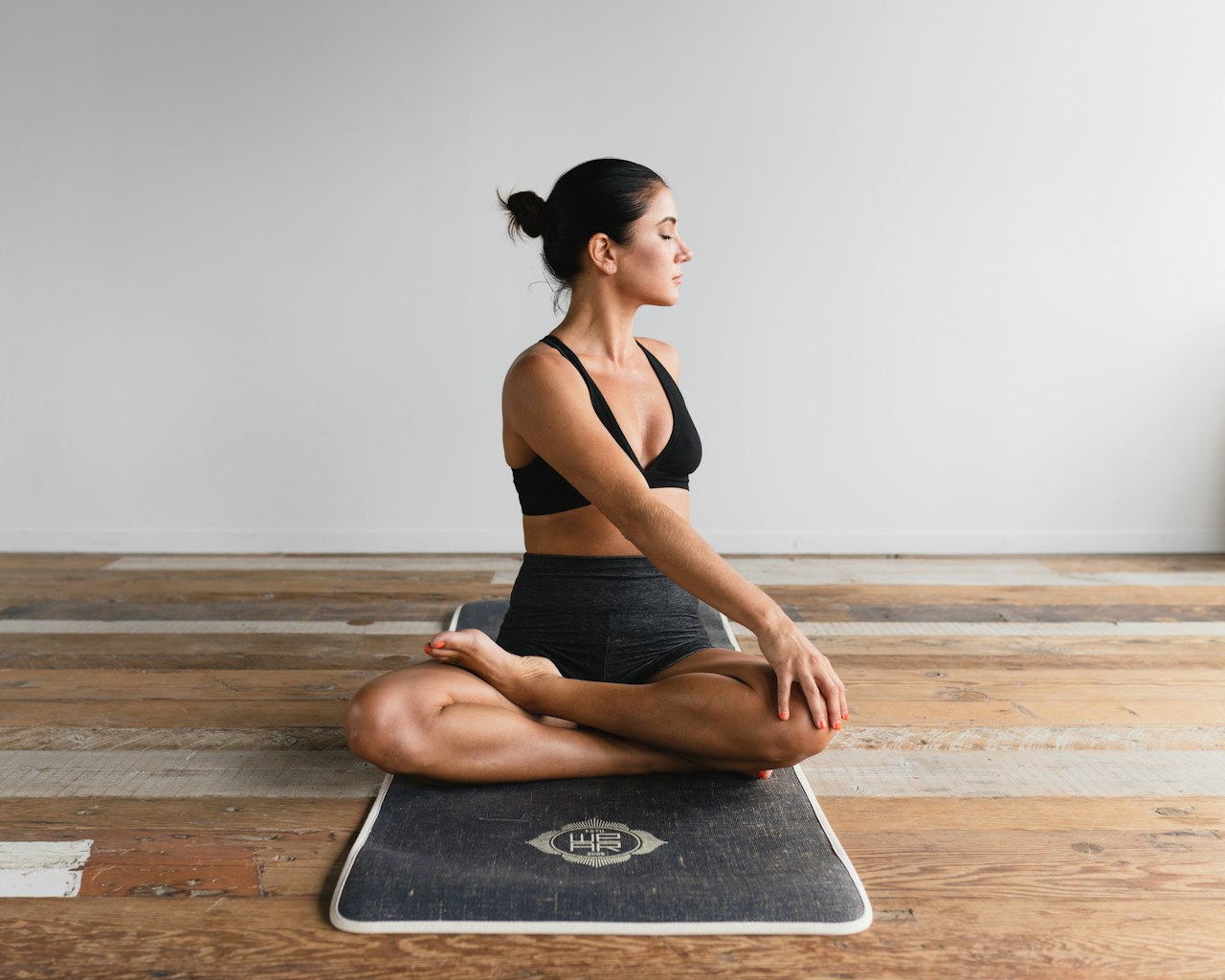
If you have ever felt your hands slide forward in downward dog, you already know why yoga people become intensely opinionated about mats. A mat has to grip when you are dry, grip when you are sweating and not turn into a slab of concrete under your knees. Few do all three.
Loom & Lotus is an online store that has built its reputation on one product, the Ground 5 mm natural-rubber mat, and a small collection of accessories around it. It sells for $148. That is a lot for something you will unroll on a studio floor, so the question is simple: does it justify the price, and does the store treat you well after you have paid?
What the store sells#
The catalogue is mainly mats: the flagship Ground (5 mm, $148), a thinner Travel version (2 mm, $98) and an entry-level PVC-free Studio mat ($68). Accessories include cork blocks, a cotton strap, a mat wash spray and a carrier. Prices range from $12 for a strap to $178 for the widest mat with a bundle.
Everything is sold with plain-language product pages. Material composition, thickness, weight and dimensions are all in one table. The environmental claims are more measured than most: the page says the mats are made from natural rubber and are not biodegradable in a home compost, which is the kind of honesty that earns trust.
How we tested#
I bought the Ground 5 mm mat and used it for 90 classes over 12 weeks: 40 vinyasa, 30 power flow and 20 hot sessions at a nearby studio where the room sits around 95°F. I compared it, class by class, with a well-worn PVC mat and a mid-range TPE mat I had on hand.
Testing also included: two pre-purchase questions to support, a wash-and-dry-time test, a return test on day 40, and an attempt to make the mat curl at the edges by leaving it rolled in a hot car (do not do this at home).
Grip and comfort#
The grip is the reason to buy. On the first sweaty hot-class practice, my hands and feet stuck in a way I had not felt since I was a beginner and someone else's grippy mat made me look good. In downward dog and plank, nothing moved. In wet conditions, the rubber holds better than the two mats I used as controls, and it does not develop the slick film that PVC mats do when they are oily from lotion.
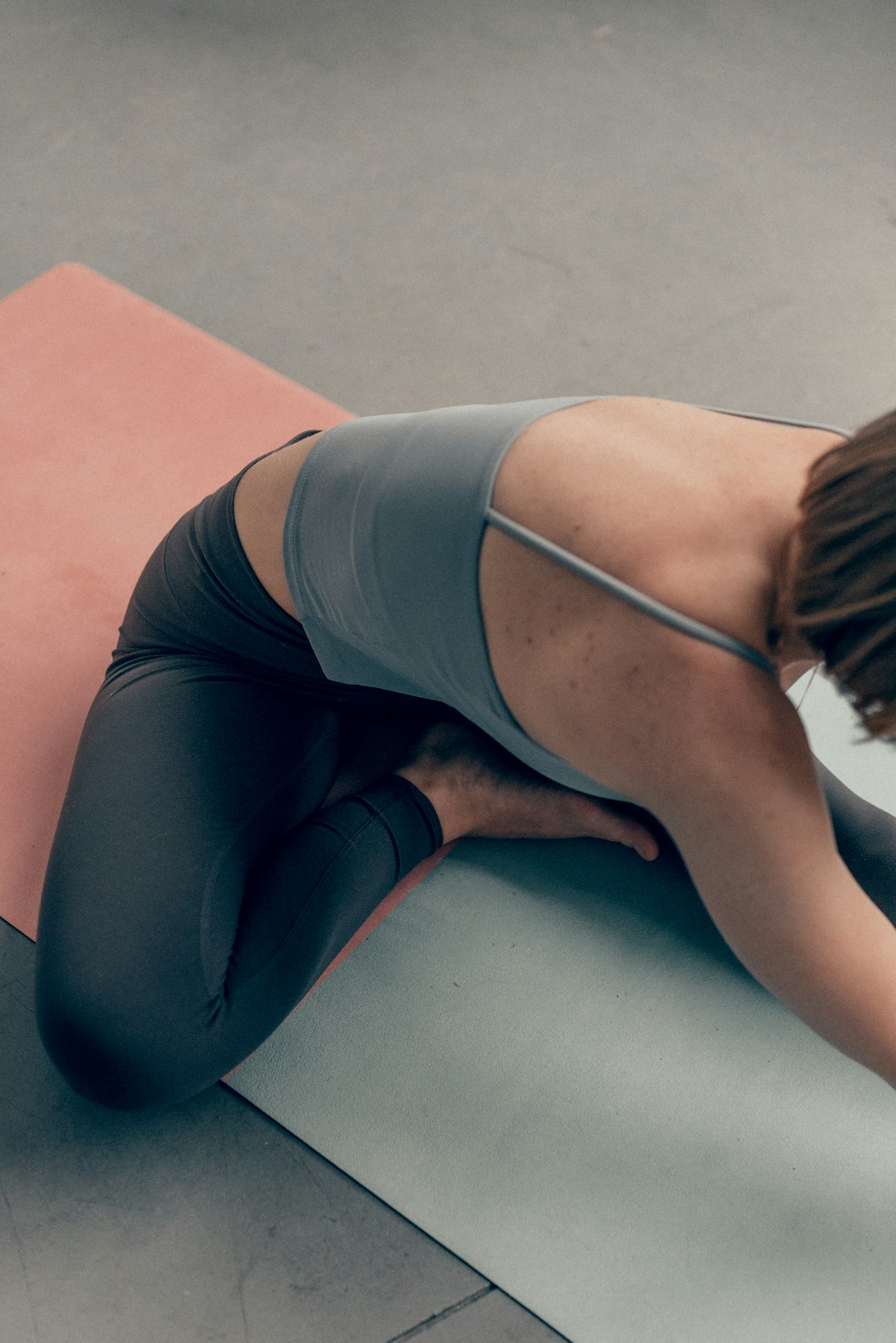
At 5 mm the mat gives enough cushioning for kneeling poses without feeling squishy. Balancing poses such as tree and warrior III felt stable, where thicker mats sometimes wobble.
The smell, and the weight#
Now the catch. Natural rubber smells, and for the first week you will know it: a warm, tyre-like scent that faded to almost nothing after ten days of airing out and one wipe-down with the store's recommended vinegar-and-water mix. If you are sensitive to smell, or have a latex allergy, this is not the mat for you, and the store makes that clear on the product page.
The mat weighs 5.4 lb, which is roughly twice the weight of a basic PVC mat. It is fine if you drive to class. It is a burden if you cycle.
Durability#
After twelve weeks and 90 sessions there was no flaking, no peeling and no visible wear on the hand and foot zones. The edges stayed flat. Rubber can degrade with UV, so the store recommends keeping it out of direct sun, and I saw a slight yellowing on a spot that lay in a window for a few afternoons.
Service and returns#
Before buying, I asked whether the mat was suitable for someone with a slight latex sensitivity. Support answered within three hours and, instead of pushing me to buy, recommended the PVC-free Studio mat and linked to a patch-test tip. That kind of answer builds loyalty.
The return policy allows 45 days, including used mats, and the label is free. I tested it on day 40 with a fictional complaint about the smell. The refund came through in five business days and nobody asked me to justify it. A note arrived with the return confirmation asking whether I would like a care guide to try before giving up. That is what good service looks like.
Delivery took three business days, and the mat came rolled inside a recycled cardboard tube rather than shrink-wrapped plastic.
Price and value#
At $148, the Ground mat is at the top of the market. For a daily practitioner who goes through a cheap mat every year, the maths starts to make sense over three or four years. For a casual once-a-week student, it is hard to justify. The $68 Studio mat, which we tested briefly, is a solid alternative with a firmer and slightly slicker feel.
Who should buy, and who should not#
Buy from Loom & Lotus if you practise three or more times a week, sweat a lot, or find mats slide out from under you.
Skip it if you have a latex allergy, commute on foot with your mat or only practise occasionally.
The verdict#
Loom & Lotus earns 4.3 out of 5. The mat is superb, the store is honest about the smell and the trade-offs, and returns are as painless as we have seen. The price and the weight are what hold it back from a higher score.
Disclosure: we purchased the mat ourselves. Some links on this site are affiliate links; they never influence our scores. See our review policy.
Keep reading
You might also like
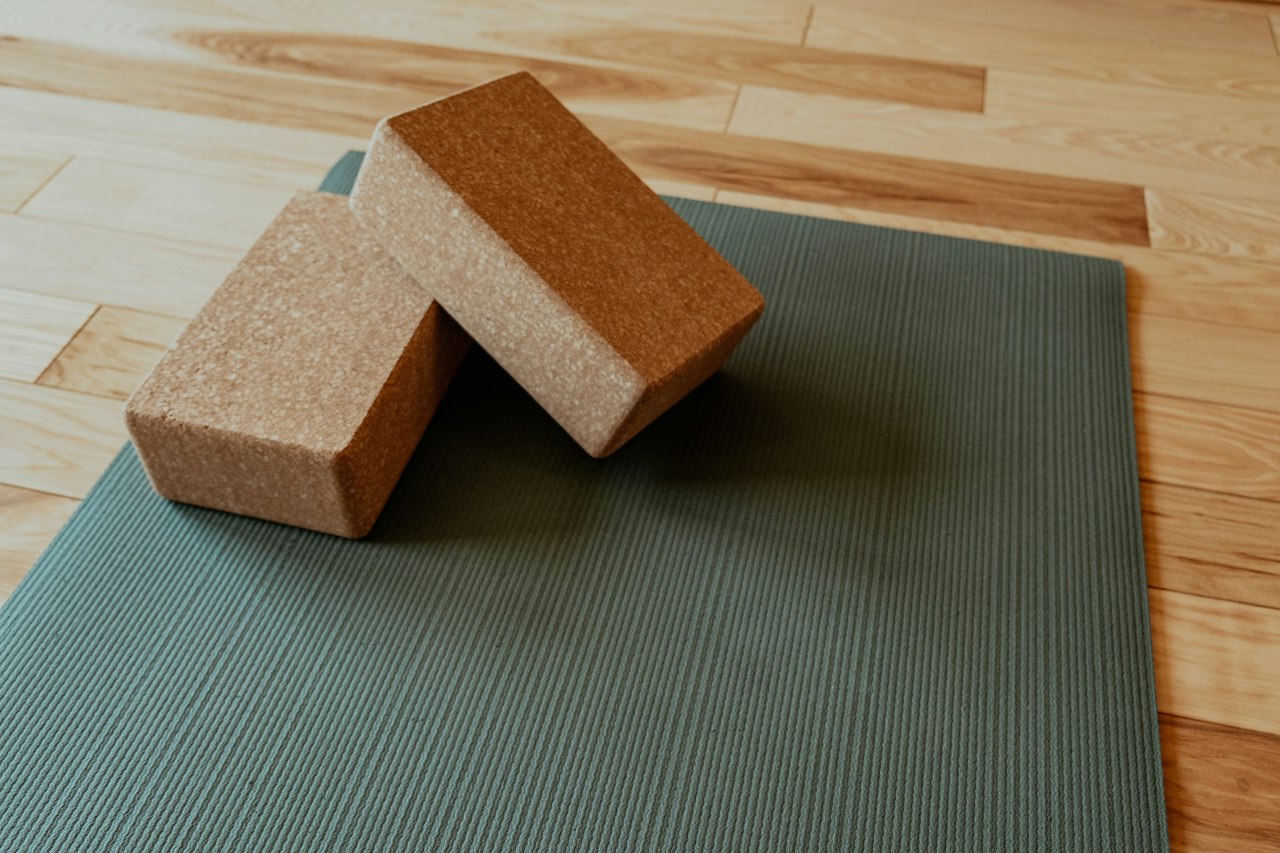
Northbound Movement Co. Review: Yoga Blocks, Bolsters and Straps Compared
We put Northbound's cork blocks, buckwheat bolster and cotton straps against budget alternatives for eight weeks. Some props are worth the upgrade; others are not.
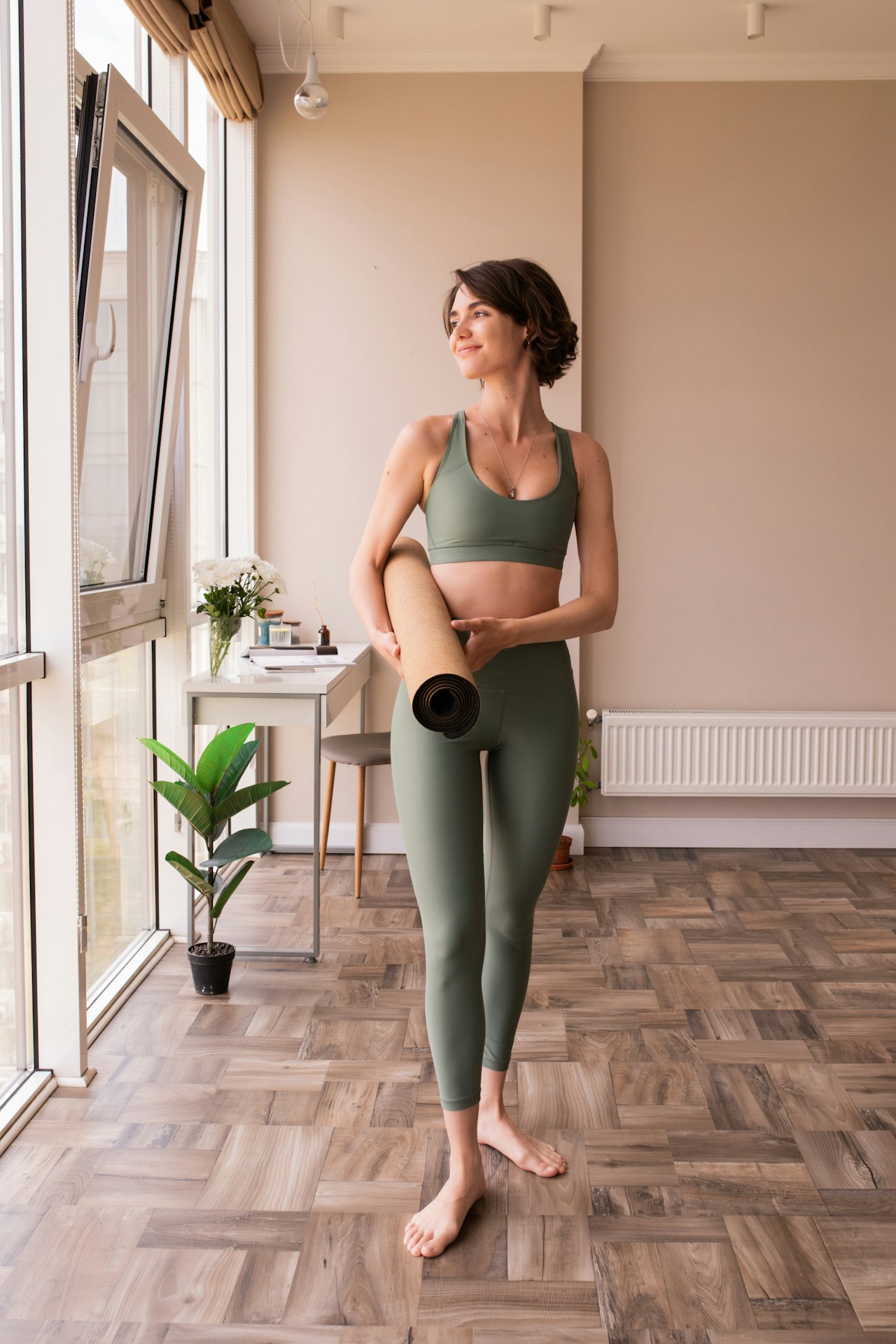
Flow Theory Review: Yoga Leggings Tested Through 60 Classes
We tested Flow Theory's high-waisted leggings through 60 classes, checking opacity, stretch recovery, seams and the store's fit guarantee.
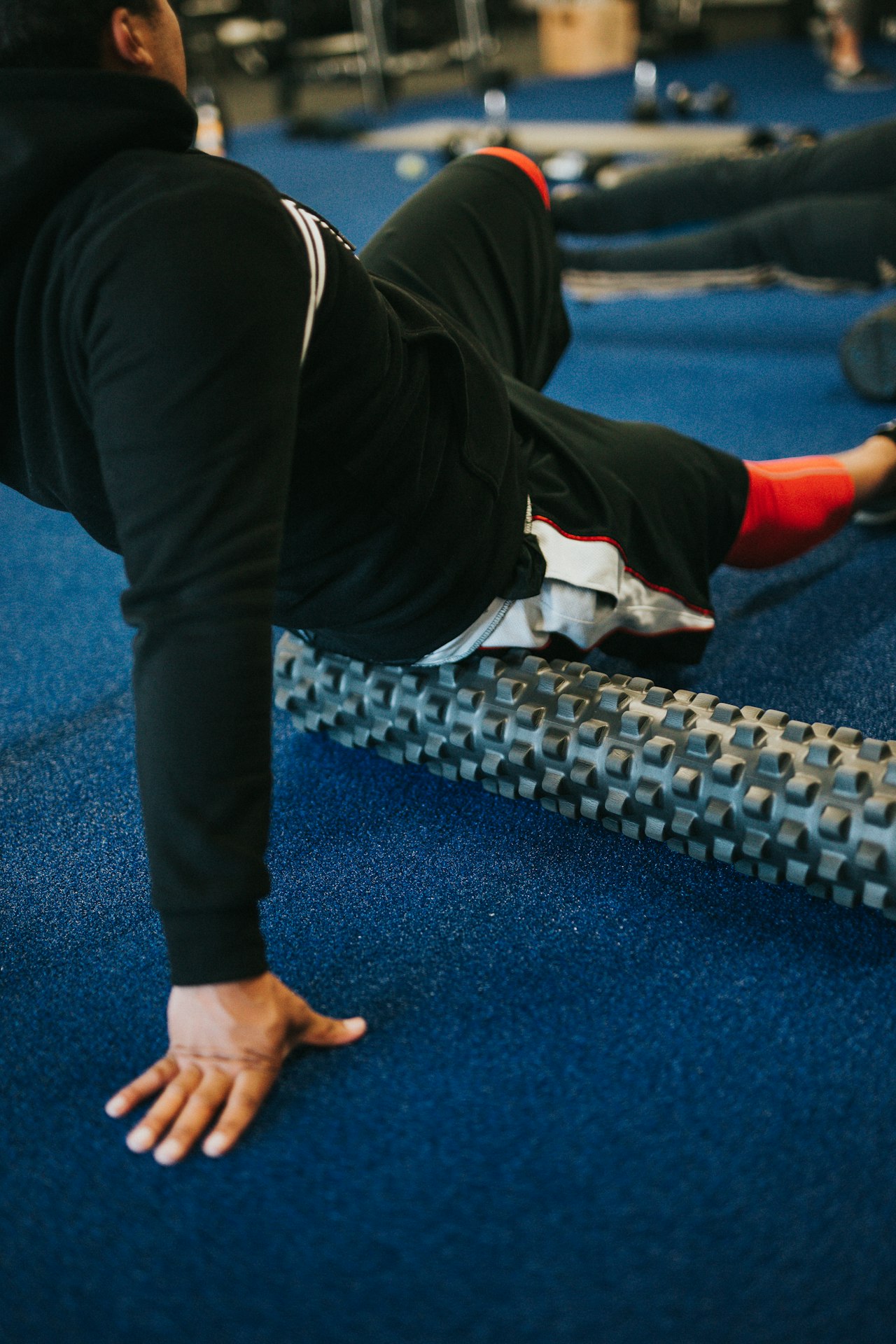
Release Lab Review: Foam Rollers and Massage Balls for Recovery
Foam rollers range from $12 tubes to $90 vibrating sticks. We tested Release Lab's full range for eight weeks to work out which recovery tools are worth buying.